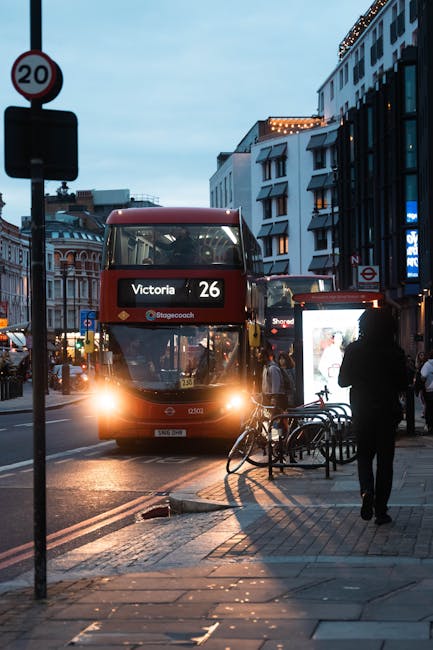
Victoria Station Belgravia removals route and parking tips
If you are planning a move around Victoria Station and Belgravia, the route you take and where you stop to load can make the difference between a calm moving day and a stressful one. The streets here are busy, narrow in places, and often less forgiving than they look on a map. A bit of route planning, a sensible parking plan, and the right timing can save you time, money, and a small mountain of hassle.
This guide to Victoria Station Belgravia removals route and parking tips breaks the job into plain English. You will find practical route advice, parking considerations, common mistakes, and a step-by-step approach that works whether you are moving a flat, an office, or just a few bulky items. If you are comparing support options, it can also help to look at local removals, man and van support, or removals and storage for a more flexible move.
Truth be told, the hardest part is often not the lifting. It is the logistics. Where can the van sit? Which side street is easiest? How long can you safely pause without blocking traffic? Those are the questions that matter here.
Table of Contents
- Why Victoria Station Belgravia removals route and parking tips Matters
- How Victoria Station Belgravia removals route and parking tips Works
- Key Benefits and Practical Advantages
- Who This Is For and When It Makes Sense
- Step-by-Step Guidance
- Expert Tips for Better Results
- Common Mistakes to Avoid
- Tools, Resources and Recommendations
- Law, Compliance, Standards, or Best Practice
- Options, Methods, or Comparison Table
- Case Study or Real-World Example
- Practical Checklist
- Conclusion
- Frequently Asked Questions
Why Victoria Station Belgravia removals route and parking tips Matters
Victoria Station sits in one of the busiest parts of central London, with constant taxi movement, bus activity, pedestrians, and construction or servicing traffic at different times of day. Belgravia adds another layer: elegant residential streets, controlled access in some places, and a layout that can be awkward for larger vehicles. That combination means a move can go smoothly or sideways very quickly.
Good route planning matters because a removals van rarely has the luxury of circling endlessly. If the driver misses the best access point, the team may need to carry furniture further than expected, which slows everything down. Parking matters for the same reason. Even a short stop in the wrong location can create delay, tension with neighbours, or a knock-on problem for other road users. Nobody wants to start moving day with a horn blaring behind them.
There is also a safety angle. Narrow pavements, doorsteps, one-way systems, and heavy household items are not a great mix if everyone is rushed. A planned route lets the team protect floors, walls, and people. That is especially useful if you are moving items into a top-floor flat, an older Belgravia terrace, or a managed building with tight loading restrictions.
Expert summary: In this area, the most effective move is usually not the shortest route on paper. It is the route that gives the van room to stop safely, keeps walk distance manageable, and avoids last-minute parking surprises.
How Victoria Station Belgravia removals route and parking tips Works
The basic idea is simple: plan the approach, identify the safest loading point, and make sure the van can arrive, pause, and leave without causing avoidable disruption. In practice, it helps to think in three parts.
1. Choose the route with the least friction
Near Victoria, the best route is often the one with fewer turns, fewer awkward merges, and less need for last-second lane changes. The main roads around the station can be efficient for access, but they also carry more traffic and tend to be less forgiving when vehicles slow down. Belgravia side streets may feel calmer, but some are tighter and less suitable for larger vans. A removals driver will usually balance both: broad access roads for approach, then a careful final turn into the property street.
2. Match the vehicle to the street
A small van and a larger removals lorry behave very differently in central London. A smaller vehicle can often tuck into tighter spaces and reverse more easily, while a larger vehicle may be better if you are moving a full house or office and want fewer trips. The choice affects route planning, parking confidence, and loading time. If the job is modest, small removals can be a practical fit. For taller loads or mixed furniture, house removals or flat removals may be more suitable.
3. Plan the loading window, not just the journey
The loading window is the real make-or-break bit. You may only have a short period to park nearby, carry items down safely, and keep the van ready to depart. If the building has a concierge, service entrance, or allocated loading arrangement, that should be confirmed in advance. If not, a sensible plan is to identify the most realistic stopping point and the safest walking route from there to the front door.
Sometimes the move also benefits from temporary overflow storage. If you are clearing a property in stages, or waiting on completion times, short-term storage or secure storage can take the pressure off and keep the van turnaround simpler.
Key Benefits and Practical Advantages
Doing the route and parking homework properly has some very ordinary, very useful benefits. Not glamorous, but helpful. Which is usually what you want on moving day anyway.
- Less wasted time: The crew spends more time moving items and less time searching for space.
- Lower stress: Everyone knows where to go, where to stop, and what to do if a bay is already occupied.
- Reduced carry distance: Shorter carrying routes mean less fatigue and fewer chances to bump a wall or doorframe.
- Better protection for belongings: When the van is parked properly, large or fragile items are handled more steadily.
- Fewer access issues: Careful planning reduces the risk of delays caused by traffic, building access, or loading restrictions.
There is also a cost angle. A move that drags on because parking was guessed rather than planned can mean extra labour time or simply a more exhausting day. That does not always show up as a line item, but you will feel it. The same goes for office moves, where delays can disrupt staff, printers, boxes of documents, and all the usual odds and ends that somehow multiply overnight. For commercial moves, it may be worth exploring office removals or business storage if you need a staggered handover.
Who This Is For and When It Makes Sense
This kind of planning is useful for almost anyone moving in or around Victoria and Belgravia, but it is especially valuable if any of the following apply.
- You are moving from a flat with limited front-of-building space.
- You are moving during weekday traffic hours.
- You have bulky furniture, wardrobes, or awkward pieces.
- Your building has strict access rules or a narrow entrance.
- You are combining transport with storage or multiple drop-offs.
- You are moving a business, studio, or office contents.
It also makes sense if you are not moving everything in one go. Many people in central London split the process across several days. A few boxes go to one place, furniture goes to another, and the rest waits. In that case, the route matters less as a straight line and more as a sequence of sensible stops. That is where mobile self storage or removals support can be handy, because you can keep the process tidy without trying to force everything into one tight time window.
If you are a student, a landlord, or someone between homes, this approach still helps. It just means the route plan is probably shorter and the storage decision matters a bit more. A safe handover is a safe handover, whether it is two armchairs or a whole flat.
Step-by-Step Guidance
Here is a practical way to plan a move in this part of London without overcomplicating it.
- Confirm the exact addresses. Check the collection point and the delivery point, including any side entrance or service access. A postcode alone is not enough if the building has more than one entrance.
- Measure the awkward bits. Lifts, stairwells, hallways, and front steps can matter more than room size. A sofa that clears the front door but not the landing will ruin an otherwise fine plan.
- Decide on the vehicle size. Use the smallest practical vehicle for tight streets, but do not under-size to the point where you need too many trips.
- Check loading options nearby. Look for a realistic stop close to the property, not just the closest point on a map. The best bay is the one you can actually use.
- Set the move time carefully. If possible, avoid the most congested periods around Victoria Station. Early morning can be calmer, though every day is its own beast.
- Prepare the building side. Tell neighbours or building staff, reserve lift time if needed, and protect floors and doors before the van arrives.
- Pack for speed. Boxes should be labelled clearly. The team should know what needs careful handling and what can go straight in.
- Have a fallback plan. If the nearest space is occupied, know the next best option. That one small backup plan can save a lot of swearing under your breath.
If the property requires specialist handling, especially with unusual access or very tight stairwells, it can help to use man and van support or package the move with packing services. Good packing is not just neat. It shortens the job and lowers the risk of damage.
Expert Tips for Better Results
These are the little things that tend to separate a smooth move from a needlessly messy one.
- Arrive slightly early, not exactly on time. A few extra minutes can help if the street is busier than expected or if the building contact is late opening access.
- Keep the front door clear. It sounds obvious, but bags, planters, bikes, and prams have a habit of appearing at the worst moment.
- Use a spotter when reversing. Central London streets can be awkward, and a second pair of eyes is never wasted.
- Separate fragile and essential items. Keep keys, documents, chargers, and basics with you rather than buried in a box mountain.
- Pre-label the first unload items. That saves time when you arrive and are tired enough to forget which box contains the kettle.
- Ask about building restrictions before booking. Some managed buildings care deeply about move times, lift use, or floor protection. Better to know now.
A small but useful habit: walk the route from the van stop to the front door before anything is carried. You will spot the odd curb, step, or tight corner much faster on foot than from behind a steering wheel. It is the sort of detail people skip, then regret at 3:15 in the afternoon.
If your move includes valuable items, use insurance and safety guidance alongside proper packing. It is not about being pessimistic. It is about being sensible, which is a rather underrated skill on moving day.
Common Mistakes to Avoid
Most moving problems in this area come from a handful of predictable mistakes. Avoid these and you are already ahead.
- Assuming parking will be easy. In Victoria and Belgravia, "I'll just find a spot" is not a reliable strategy.
- Booking the wrong vehicle size. Too large and you may struggle to stop; too small and you create extra journeys.
- Ignoring access timing. A loading space that works at 8:00 a.m. might be useless by lunchtime.
- Forgetting building rules. Some properties need notices, keys, or lift booking. Miss that, and your day slows down immediately.
- Not protecting items for a short carry. People assume a short distance means low risk. Not always. One wet step or a tight turn is enough.
- Leaving sorting until the van arrives. That turns loading into a guessing game, and nobody needs that.
Another common one? Trying to do everything yourself because the move looks small. Sometimes that works. Sometimes it turns into three trips, a parked car problem, and an exhausted evening. If the job is modest, small removals can still provide the right level of support without overdoing it.
Tools, Resources and Recommendations
You do not need a complicated toolkit, but a few simple things make the day far more manageable.
| Tool or resource | Why it helps | Best for |
|---|---|---|
| Printed floor plan or room list | Helps the team place boxes and furniture quickly | Flats, houses, offices |
| Sticky labels and marker pen | Keeps boxes identifiable at a glance | All moves |
| Blankets, covers, or wrap | Protects furniture during carrying and loading | Large items, wood, soft furnishings |
| Phone charger and spare battery | Useful for last-minute calls and coordination | Busy moving days |
| Temporary storage option | Reduces pressure when access or completion timing is uncertain | Staged moves |
For long-stay or phased moves, long-term storage can be a better fit than trying to squeeze everything into one delivery. And if you are moving documents, samples, or archive boxes for work, document storage is often the tidy answer. It is boring in the best possible way.
When a move involves a mixture of furniture, boxes, and items you do not need straight away, furniture storage and household storage are worth considering so the van does not become a rolling holding pen.
Law, Compliance, Standards, or Best Practice
For central London removals, the legal and compliance side is mostly about common-sense road use, safe loading, and respecting building and parking rules. The exact rules can vary by street, property, and time of day, so it is wise to confirm local restrictions before the move rather than rely on memory or guesswork.
Good practice usually means the following:
- Do not block traffic, crossings, or access points.
- Use the correct loading point where available.
- Allow enough space for pedestrians and cyclists.
- Follow building instructions on lift use, floor protection, and move-in windows.
- Keep items secure so they do not shift during loading or transport.
- Make sure the team knows the plan before they start lifting.
From a service-quality standpoint, it is sensible to work with a provider that treats safety, payment, and customer handling carefully. Pages such as health and safety policy, payment and security, and terms and conditions are useful signs that a business takes the practical side seriously, not just the marketing side.
If the move touches business records or compliance-sensitive material, extra care is sensible. secure storage and office storage can help protect files, equipment, and anything you do not want lying around during a hectic transition.
Options, Methods, or Comparison Table
Not every move near Victoria and Belgravia needs the same approach. Here is a quick comparison to help you choose.
| Method | Best for | Strengths | Watch-outs |
|---|---|---|---|
| Self-managed van move | Small, simple moves | Flexible, lower cost, direct control | Parking stress, heavy lifting, more time needed |
| Man and van | One-bed flats, partial moves, bulky items | Practical, faster than DIY, easier to adapt | Still needs clear access and parking planning |
| Full removals service | Whole-home or larger office moves | Most efficient, best for complex access | Requires planning and usually more coordination |
| Removals with storage | Moves with timing gaps | Useful for delays, refurbishments, staged handovers | Needs more organisation up front |
If you are unsure which route to take, a short conversation with a removals team can save a lot of back-and-forth. A lot of people think they need a big vehicle when actually they need a smarter plan. Happens all the time.
Case Study or Real-World Example
Imagine a couple moving out of a Belgravia flat near Victoria after a renovation delay pushed their completion by a day. They have a sofa, a bed, several fragile boxes, and a few items they do not want to unpack immediately. The street is busy in the morning, and the building has a tight front approach.
Rather than trying to force one rushed move, they arrange a smaller vehicle, confirm the best loading window, and move the non-essentials into storage first. The main furniture goes out once the street is quieter, and the unloading at the other end is simpler because the boxes are already sorted by room. Nothing dramatic happened. Which, frankly, is the whole point.
The result was not just a smoother day. It was a calmer one. Fewer interruptions. Fewer strained backs. Less "where did we put that?" energy. That is why route planning and parking discipline matter so much in this part of London.
Practical Checklist
Use this checklist the day before and on the morning of the move.
- Confirm the collection and delivery addresses.
- Check building access instructions and lift booking requirements.
- Decide the vehicle size and loading plan.
- Identify the safest nearby stopping point.
- Pack and label boxes clearly.
- Set aside essentials, keys, documents, and chargers.
- Protect floors, corners, and furniture.
- Keep a fallback parking option in mind.
- Tell neighbours or building staff if needed.
- Arrange storage if timings are uncertain.
- Review service terms, safety, and payment details.
It sounds simple because it is simple. The trick is doing it before the van turns up.
Get a free quote today and see how much you can save.
Conclusion
Victoria Station and Belgravia demand a more careful removals plan than a quieter London street. The route needs thought, the parking needs a fallback, and the load needs to be ready before anyone starts carrying. Once those pieces are in place, the whole move feels lighter. Not easy, exactly. Just manageable, which is what you want.
If you are planning a flat move, a house move, or a small office transition, the best next step is to map the access, confirm the vehicle size, and decide whether you need storage support as part of the move. That one decision often removes most of the stress before it even starts. And if you do it properly, the day tends to feel a bit less like a scramble and a bit more like progress.
There is a real satisfaction in leaving a street like this with everything done cleanly, safely, and without drama. That feeling stays with you.
Frequently Asked Questions
What is the best time of day for removals near Victoria Station?
Earlier in the day is often easier because traffic and pedestrian flow can build quickly around Victoria Station. That said, the best time also depends on building access, lift availability, and loading rules. It is worth choosing a slot that gives you breathing room rather than squeezing the move into the busiest part of the day.
Can a large removals van park easily in Belgravia?
Not always. Some streets are manageable, but others are tight or heavily used. In practice, the right vehicle size matters a lot more than people expect. A slightly smaller van can sometimes save far more time than a larger one would.
Do I need to arrange parking in advance?
In many cases, yes, or at least you should have a clear loading plan. Even if formal arrangements are not required, knowing the best stopping point in advance avoids the usual scramble when you arrive and find the street busier than expected.
What should I do if the nearest space is already taken?
Have a backup location ready before the move begins. A good removals team will usually think in terms of Plan A, Plan B, and sometimes Plan C. That is not pessimism. It is just central London reality.
Is a man and van service enough for a move in this area?
It can be, especially for smaller flats or partial moves. If you have only a few bulky items or a modest amount of furniture, man and van support can be a practical choice. For larger homes, a fuller removals service may be better.
How do I make a flat move easier around Victoria Station?
Keep boxes labelled, confirm lift access, protect the route from door to van, and avoid underestimating parking. If the flat has tight access, flat removals support can make a noticeable difference.
What if my move-in and move-out dates do not line up?
That is very common. Temporary storage is often the cleanest solution. Short-term storage can bridge the gap without forcing you to rush the handover.
Can removals be split over two days?
Absolutely. For some households and offices, splitting the move is smarter than trying to do everything at once. It can reduce pressure, protect fragile items, and give you time to organise the new space properly.
What should I pack separately for the moving day itself?
Keep essentials with you: keys, phone chargers, documents, basic toiletries, snacks, and anything you may need immediately after arrival. It is amazing how fast one important item becomes impossible to find in a pile of boxes.
Are storage options useful for central London moves?
Yes, often more useful than people expect. Storage can ease timing issues, reduce clutter during the move, and make parking and loading simpler. For longer gaps, long-term storage may be a better fit; for mixed household items, household storage is worth considering.
What is the biggest mistake people make with Victoria and Belgravia removals?
Assuming the parking and access will sort themselves out. That one assumption causes a lot of stress. A little planning goes a long way, especially in streets where space is precious and traffic does not wait politely.
Should I check safety and service pages before booking?
Yes, that is a sensible habit. A provider's health and safety policy, insurance and safety information, and about us details can help you judge whether they are organised, transparent, and suited to the job.